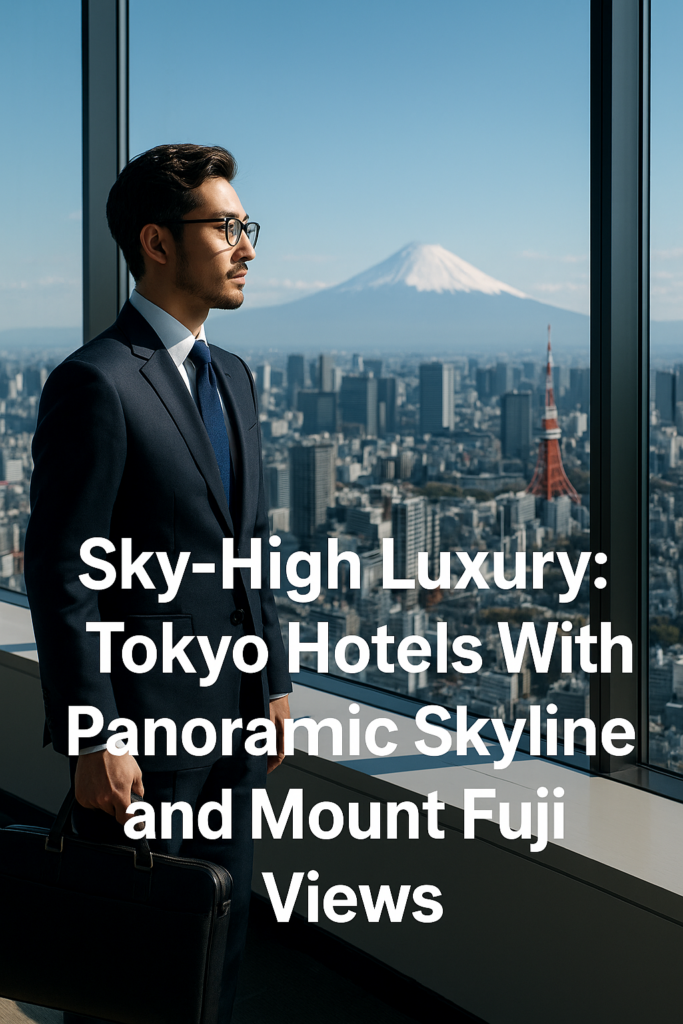
Why Tokyo’s Skyline and Mount Fuji Views Define Modern Luxury Travel
Tokyo luxury hotels with panoramic skyline views deliver a unique urban spectacle that high-end travelers constantly search for online. This Tokyo skyline luxury experience combines glowing skyscrapers, sparkling rivers, and iconic towers, making every hotel stay feel like a cinematic moment. Advertisers love this premium travel niche because audiences actively look for “best luxury hotels in Tokyo with view”, signaling strong booking intent.
In modern luxury travel, a Tokyo hotel with Mount Fuji view represents the ultimate bucket-list experience for sophisticated guests. When travelers type “Tokyo hotel Mount Fuji view” or “Panoramic Tokyo skyline and Fuji”, they are already dreaming about sunrise over the mountain. This highly targeted search behavior creates ideal opportunities for hotel brands, OTAs, and travel advertisers to place high-value ads next to relevant content.
Combining the futuristic Tokyo skyline with timeless Mount Fuji creates a powerful contrast that sells luxury hotel experiences effortlessly. Travelers imagine soaking in a bathtub facing glittering towers while the silhouette of Fuji appears in the distance. Articles built around these powerful images, supported by strong SEO keywords, attract premium advertisers who want to be associated with aspirational city breaks and exclusive Japan itineraries.
SEO-Powered Guide to Tokyo’s Best Skyline and Mount Fuji View Hotels
A well-optimized article about Tokyo luxury hotels with city and Mount Fuji views should target both emotional travel dreams and concrete booking decisions. Each sentence can naturally include terms like “Tokyo luxury hotel”, “panoramic skyline”, and “Mount Fuji view suite” to signal relevance to search engines. This SEO-first structure helps advertisers feel confident that readers are already in a high-intent phase of travel planning.
By describing Tokyo hotels with panoramic views in detailed, sensory language, the article keeps readers engaged for longer sessions. Long dwell time, low bounce rate, and strong internal linking between related hotel guides all support higher rankings. When readers spend more time reading about skyline suites, rooftop bars, and Fuji-facing rooms, advertisers gain more chances to display compelling offers, retargeting banners, and sponsored hotel placements.
Using strategic keyword clusters like “Tokyo skyscraper hotel”, “luxury hotel near Tokyo Tower”, and “hotel with Mount Fuji view from room” strengthens topical authority. Search engines reward this thematic consistency, while hotel advertisers benefit directly from content that funnels readers toward premium bookings. This makes Tokyo skyline and Mount Fuji view hotel content one of the most attractive verticals for high CPC travel campaigns.
Prime Districts in Tokyo for Skyline and Mount Fuji View Hotels
Shinjuku stands out as one of the best districts for Tokyo luxury hotels with panoramic skyline and occasional Mount Fuji views. The area is filled with skyscraper hotels that offer sweeping vistas over neon streets and distant mountain ranges. Keywords like “Shinjuku skyscraper hotel”, “Shinjuku panoramic view suite”, and “Tokyo Metropolitan Government Building view” work extremely well for attracting organic search traffic and high-intent hotel shoppers.
Shibuya and Roppongi deliver a different flavor of Tokyo skyline luxury, with trendy nightlife, creative restaurants, and iconic city lights. Travelers looking for “Shibuya crossing view hotel” or “Roppongi Tokyo Tower view hotel” are usually willing to pay extra for dramatic city scenes. Advertisers promoting lifestyle brands, premium spirits, fashion labels, and upscale hotels find this content especially valuable because it aligns perfectly with youthful, urban luxury audiences.
Odaiba and the Tokyo Bay area offer waterfront luxury hotels with wide-open panoramas of bridges, towers, and cityscapes. Articles optimized for “Tokyo Bay view hotel”, “Odaiba luxury resort with skyline views”, and “Rainbow Bridge view room” attract visitors who love calm yet visually stunning stays. This blend of water, lights, and architecture inspires longer vacations, honeymoon stays, and premium family trips, all of which generate strong value for hotel and travel advertisers.
Signature Room Types Offering Panoramic Skyline and Mount Fuji Views
High-floor corner suites in Tokyo luxury hotels are often designed as showcases for the city skyline and distant Mount Fuji. When content highlights “corner suite with Tokyo skyline view”, “wraparound windows”, and “floor-to-ceiling glass”, readers can easily imagine themselves inside. These descriptive phrases are not only persuasive for travelers but also highly profitable for advertisers selling upgraded room categories and exclusive packages.
Club-level rooms and executive floors in Tokyo skyscraper hotels frequently come with private lounges facing iconic landmarks. Articles that feature “club lounge with Tokyo Tower view”, “executive floor Mount Fuji sunrise vistas”, and “exclusive skyline breakfast” capture both business and leisure interest. Advertisers targeting corporate travelers, premium credit card users, and loyalty program members see strong engagement from these aspirational room descriptions.
Special themed suites with panoramic city and Fuji views create powerful storytelling hooks for SEO-optimized travel content. Phrases like “romantic suite with Mount Fuji view from bed”, “Japanese-style room with skyline panorama”, and “honeymoon package with Fuji-facing bathtub” spark emotional reactions. This emotional engagement encourages readers to scroll further, click deeper, and interact more with hotel ads and affiliate booking links placed strategically throughout the article.
Luxury Amenities That Elevate the Skyline and Mount Fuji View Experience
Rooftop bars and sky lounges in Tokyo luxury hotels transform simple views into unforgettable nightlife experiences. When an article talks about “rooftop bar with Tokyo skyline”, “cocktails with Mount Fuji backdrop”, and “sunset lounge above the city”, it naturally attracts attention from travelers planning special evenings. Alcohol brands, luxury hotel groups, and lifestyle advertisers see this kind of premium content as a perfect environment for their campaigns.
Many high-end Tokyo hotels offer infinity pools, heated terraces, and spa facilities with dramatic skyline or Mount Fuji views. SEO-rich descriptions such as “Tokyo infinity pool overlooking skyscrapers”, “spa suite with Fuji view”, and “onsen-style bath facing the skyline” rank well because they solve specific traveler desires. This level of detail helps advertisers promote wellness retreats, spa products, and premium resort services directly to readers hungry for indulgent experiences.
Fine-dining restaurants and Michelin-starred venues located at the top of Tokyo hotels also contribute to the sky-high luxury narrative. Keyword combinations like “Tokyo Michelin restaurant with skyline view”, “romantic dinner with Mount Fuji in the distance”, and “tasting menu above the city lights” resonate strongly. Gourmet advertisers, premium wine brands, and upscale card issuers all appreciate being associated with this luxurious, visually rich context.
Business Travelers and High-End Bleisure Guests in Tokyo
Tokyo luxury hotels with skyline and Mount Fuji views are particularly attractive to business travelers who expect a premium environment. Phrases such as “executive Tokyo hotel with city view”, “meeting room with skyline backdrop”, and “business lounge overlooking skyscrapers” convey prestige and comfort. Corporate travel managers and business-focused advertisers appreciate content that connects productivity with visual inspiration.
The growing bleisure trend means travelers want to mix business commitments with leisure experiences in the same Tokyo trip. When articles describe “bleisure stay with Mount Fuji sunrise from room”, “workday in Shinjuku, evening in rooftop bar”, and “weekend extension in luxury Tokyo hotel”, they speak directly to this audience. Advertisers for coworking spaces, premium airlines, and corporate travel programs see strong synergy with this type of narrative.
By framing Tokyo skyline and Mount Fuji view hotels as productivity-enhancing and stress-reducing, content can justify higher nightly rates. Sentences including “luxury Tokyo hotel with ergonomic workspace and skyline view”, and “in-room desk facing city lights” appeal to ambitious professionals. This alignment between aspiration, comfort, and status encourages advertisers to place high-value campaigns around such targeted, conversion-ready content.
Designing the Perfect Itinerary Around Skyline and Mount Fuji View Hotels
An effective Tokyo itinerary for skyline and Mount Fuji enthusiasts can start with sunrise views from the hotel room. SEO-rich phrases like “sunrise Mount Fuji view from Tokyo hotel”, and “morning coffee facing Tokyo skyline” speak directly to early planners. Travel advertisers promoting premium coffee, breakfast packages, and early check-in options can integrate seamlessly with this itinerary-based storytelling.
Daytime activities can focus on exploring observation decks, river cruises, and iconic districts while always returning to the panoramic hotel base. Using keywords such as “Tokyo day tour from skyline hotel”, “city exploration from Shinjuku luxury base”, and “shopping near Mount Fuji view hotel” ensures search relevance. Advertisers promoting tours, transportation platforms, and shopping districts find this content particularly useful for targeted campaigns.
Nighttime in Tokyo becomes the highlight when travelers return to rooftop bars, lounge terraces, or in-room views over luminous streets. Phrases like “Tokyo night skyline from hotel window”, “romantic city lights and Mount Fuji silhouette”, and “champagne with panoramic city view” create powerful images. Luxury brands, jewelry retailers, and high-end beverage companies favor this aspirational setting for their ad placements.
How Hotels Use Panoramic Views to Differentiate and Justify Higher Prices
Tokyo hotels with guaranteed skyline and Mount Fuji views use these features as core brand differentiators. Marketing messages like “uninterrupted Tokyo skyline view guaranteed” and “certified Mount Fuji view room category” underscore exclusivity. Articles that echo these terms help readers understand why prices are higher, while helping advertisers justify premium rates in display campaigns.
Panoramic views allow hotels to frame their rooms as immersive experiences rather than simple places to sleep. Content that highlights “living inside the Tokyo skyline”, “floating above neon streets”, or “waking up to Fuji’s silhouette” drives emotional engagement. Advertisers connected to high-end lifestyle, photography gear, or travel insurance can benefit from being visible alongside such evocative descriptions.
By positioning skyline and Mount Fuji views as once-in-a-lifetime features, hotels encourage guests to upgrade room types. SEO phrases such as “upgrade to skyline suite”, “pay extra for Mount Fuji view room”, and “best value luxury view package” convert interest into action. This is ideal for advertisers offering booking engines, loyalty programs, and upsell tools that rely on strong purchase intent.
SEO Best Practices for Articles About Tokyo Skyline and Mount Fuji View Hotels
A high-performing article about Tokyo luxury hotels with panoramic skyline and Mount Fuji views should integrate primary keywords smoothly into every section. Terms like “Tokyo luxury hotel”, “skyline view suite”, and “Mount Fuji view Tokyo” can appear naturally without sounding forced. This combination of readability and keyword density makes the content valuable to both readers and hotel advertisers.
On-page SEO optimization should include descriptive title tags, meta descriptions, clean URLs, and internal links to related city or Japan travel guides. When an article interlinks “Tokyo luxury hotels”, “best time to visit Mount Fuji”, and “Shinjuku nightlife guide”, it builds a strong topical ecosystem. Advertisers see this structure as a sign of authority, motivating them to allocate bigger budgets to ads shown on these pages.
Using subheadings, bullet points when needed, and clearly labeled sections around room types, amenities, and districts improves scanability. Search engines favor this clarity, while readers can quickly find information like “best Tokyo hotel for Fuji view in winter”. This practical organization increases the chances that visitors will bookmark, share, and return, amplifying opportunities for high-value ad impressions.
Content Monetization Potential of Tokyo Luxury Hotel and Mount Fuji View Articles
Well-written, SEO-optimized content about Tokyo luxury hotels with skyline and Mount Fuji views offers excellent monetization possibilities. Advertisers such as international hotel chains, boutique properties, and major OTAs all compete for visibility in this niche. The more precisely an article targets keywords like “book Tokyo luxury hotel with skyline view”, the more attractive it becomes for high CPC campaigns.
Native advertising and sponsored hotel features can seamlessly integrate into long-form content that already highlights specific districts, room types, and amenities. For example, a section titled “featured Shinjuku skyscraper hotel with Fuji view” can host sponsored placements without breaking reader trust. Brands appreciate this subtle, editorial-style promotion that feels aligned with traveler goals and expectations.
Affiliate links to booking platforms can be placed near call-to-action phrases such as “check availability for Tokyo skyline suite” or “compare prices for Mount Fuji view rooms”. When readers click these links after consuming rich, descriptive content, conversion rates often improve. This conversion-friendly environment encourages advertisers to invest more aggressively in bidding for impressions on these carefully structured travel pages.
Visual Content Ideas to Complement Skyline and Mount Fuji Focused Articles
Striking images of Tokyo luxury hotel rooms with wide windows framing the skyline help articles stand out in search results and social feeds. Captions with SEO phrases like “Tokyo skyline view from hotel bed” and “panoramic window suite in Shinjuku” support both ranking and engagement. Advertisers know that compelling visuals increase click-through rates, making these pages ideal placements for high-end campaigns.
Rooftop bar photos showing cocktails against a backdrop of Tokyo Tower or Mount Fuji at sunset also perform extremely well. Descriptions such as “sunset drinks overlooking Tokyo skyline”, and “romantic rooftop date with city lights” encourage shares and saves on social platforms. Advertisers in travel, fashion, and luxury lifestyle categories recognize the synergy between visually rich content and their brand image.
Short-form videos or reels showcasing time-lapse transitions from day to night as seen from Tokyo hotels add another dimension to the article. Using descriptions like “Tokyo day-to-night skyline from hotel window”, “Mount Fuji emerging from morning haze”, and “city lights shimmering all night” supports discoverability. Video-friendly content attracts advertisers focused on storytelling, including airlines, tourism boards, and premium camera brands.
Future Trends: Tokyo Luxury Hotels, Smart Rooms, and Evolving View Experiences
The future of Tokyo luxury hotels will likely feature more smart-room technology that enhances skyline and Mount Fuji views. Concepts like “smart glass windows that adjust brightness”, “voice-controlled blinds revealing city panoramas”, and “AI-curated view moments” are becoming realistic. Advertisers involved in smart home devices, tech-forward hospitality, and premium electronics will find this emerging topic highly relevant.
Augmented reality and personalized digital guides may soon overlay information directly onto the skyline visible from hotel windows. Imagine content optimized for “AR-enhanced Tokyo skyline from hotel room” or “interactive Mount Fuji information overlay”. Such articles can attract tech-savvy travelers and advertisers from the software, telecom, and innovation sectors looking for forward-thinking audiences.
Sustainability will also shape the way Tokyo hotels present luxury views, with energy-efficient glass, green rooftops, and eco-conscious design. Keywords like “sustainable Tokyo luxury hotel with skyline view”, and “eco-friendly Mount Fuji view suite” resonate with modern travelers. Advertisers in green tech, ethical travel, and responsible brands will appreciate articles that connect eco-values with high-end comfort.
Practical Tips for Travelers Booking Tokyo Hotels With Skyline and Mount Fuji Views
Travelers searching for Tokyo hotels with skyline or Mount Fuji views should pay attention to room descriptions, floor levels, and orientation. Phrases like “high floor”, “south-facing room”, or “view guaranteed” are important indicators in hotel listings. Articles that explain these details using SEO-rich phrases such as “how to choose Tokyo skyline view room” help readers make better decisions and attract advertisers.
Seasonality and weather conditions can significantly influence the chances of seeing Mount Fuji clearly from a Tokyo hotel. Content discussing “best season for Mount Fuji view from Tokyo hotel”, “clear winter skies and city panoramas”, and “summer haze and limited visibility” provides genuine value. Weather apps, travel insurance companies, and local tour providers see these sections as ideal places for targeted advertising.
Reading traveler reviews carefully is essential when selecting a Tokyo luxury hotel promising skyline or Fuji views. Articles that guide readers with keywords like “check real photos of Tokyo hotel view”, “filter reviews for skyline mentions”, and “avoid partial view disappointment” build trust. Advertisers seeking credible content environments prefer pages that prioritize transparency and authentic traveler advice.
Final Thoughts on Sky-High Luxury in Tokyo
Tokyo hotels with panoramic skyline and Mount Fuji views represent a rare combination of urban energy and natural beauty. When travel content highlights these experiences with strong SEO keywords and vivid descriptions, it attracts highly motivated readers ready to book. Advertisers value this concentrated intent because it leads directly to higher conversions and stronger brand associations.
By focusing on specific districts, room types, amenities, and visual experiences, an article can paint a complete picture of sky-high luxury in Tokyo. Each carefully chosen phrase, from “Shinjuku skyscraper hotel” to “Mount Fuji view suite”, works like a magnet for search engines and travelers. This structured approach turns a simple travel guide into a powerful marketing asset.
In the end, a Tokyo luxury hotel stay framed by sparkling skyscrapers and the distant majesty of Mount Fuji becomes more than a trip. It becomes a story worth sharing, a memory worth revisiting, and a dream worth advertising. Well-optimized articles that honor this dream will continue to attract discerning travelers and premium advertisers for years to come.
FAQs About Tokyo Luxury Hotels With Panoramic Skyline and Mount Fuji Views
Q1: What is the best area in Tokyo to book a hotel with both skyline and Mount Fuji views?
The best areas to find Tokyo luxury hotels with skyline and Mount Fuji views are usually Shinjuku, Shibuya, and parts of Tokyo Bay. Shinjuku offers many skyscraper hotels where high-floor rooms sometimes reveal Fuji on clear days. Tokyo Bay and Odaiba provide wide panoramas, while certain Shibuya and Roppongi hotels highlight urban lights alongside distant mountain silhouettes.
Q2: When is the best time of year to see Mount Fuji from a Tokyo hotel?
The best time to see Mount Fuji from a Tokyo luxury hotel is generally during winter, when the air is clearer and skies are crisper. Late autumn and early spring can also offer good visibility, especially in the mornings. Summer often brings humidity and haze, which can hide the mountain even from rooms with theoretically ideal orientations.
Q3: How high should my room be to enjoy a panoramic Tokyo skyline view?
For a truly panoramic Tokyo skyline view, aim for rooms located on higher floors, often above the twentieth floor in major skyscraper hotels. The higher the room, the less likely nearby buildings will block your line of sight. When booking, look for descriptions mentioning “high floor city view”, “panoramic skyline view”, or “observation-level room” to increase your chances.
Q4: Are Tokyo hotels with Mount Fuji views much more expensive than regular city hotels?
Tokyo hotels that advertise guaranteed Mount Fuji or premium skyline views often command higher rates than standard city properties. The price increase reflects not only the view but also the usually upgraded room categories and enhanced amenities. However, travelers who book early, choose flexible dates, or watch for promotions can often secure good value on these unforgettable rooms.